 Aarhus Hub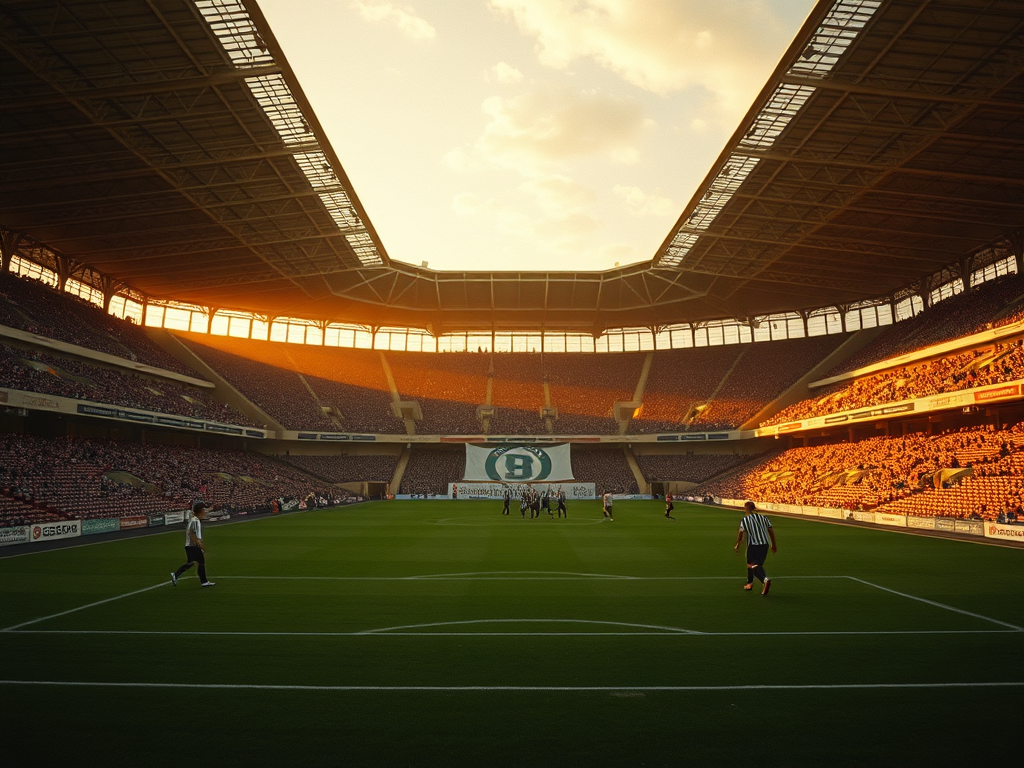
In the early 1970s, European football was beginning to take shape, with clubs from across the continent vying for prestige and glory. For Aarhus Gymnastik Forening (AGF), the year 1971 marked a significant chapter in its storied history, as the club entered the European Cup Winners' Cup, determined to make its mark on the international stage.
AGF's journey began with a challenging first round against the Swedish team, Örebro SK. The matches were intense, showcasing the grit and determination of the Aarhus squad. What set this campaign apart was the emergence of a few key players who would later become legends in AGF folklore. Under the management of the astute and tactical-minded coach, the team demonstrated not just skill, but a profound understanding of European football dynamics.
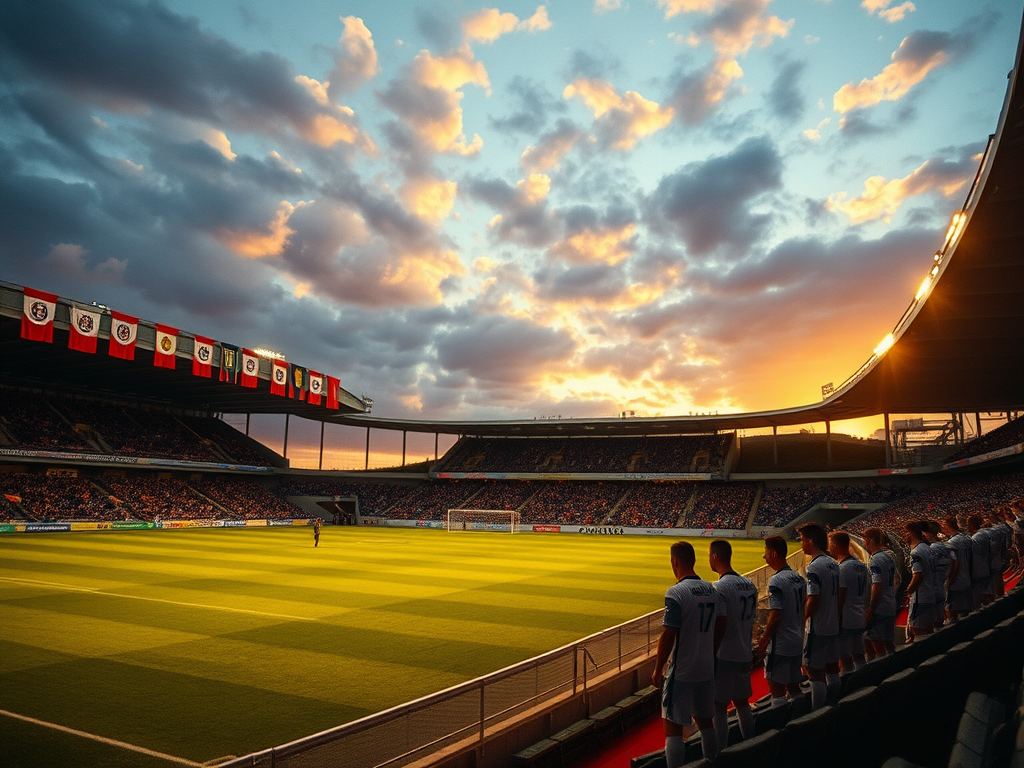
The home leg at the venerable Stadium in Aarhus was a sight to behold. The atmosphere was electric, with fans filling the stands, clad in the club’s colors, chanting and supporting their heroes with unwavering loyalty. AGF managed to secure a commendable 1-0 victory, a result that provided a solid foundation for the return leg in Sweden. The team’s performance was a testament to their preparation and commitment, setting the stage for what would be a historic journey.
In the second leg, however, AGF faced a different challenge. The Örebro side was hungry for revenge, and the match took place in a hostile environment. Despite the pressure, AGF held their ground, showcasing their resilience. The encounter ended in a hard-fought draw, allowing AGF to progress to the next round. Their advancement was not just about the results; it was a statement of intent from a club that was ready to compete with the best.
The quarterfinals saw AGF going head-to-head against the strong and formidable team from the Netherlands, FC Twente. This matchup was highly anticipated and represented a significant challenge. The players knew they were up against a side that had a reputation for its tactical prowess and technical skill. The first leg in Enschede was a tough affair, and despite AGF's best efforts, they were on the back foot, losing narrowly. However, the return leg in Aarhus was where the magic happened.
With a passionate home crowd behind them, AGF delivered a performance that would be remembered for years to come. The team, buoyed by the support of their fans, played with heart and tenacity. They not only equalized the aggregate score but also sent shockwaves through the European football community with their performance. Although they ultimately fell short in the aggregate score, the determination and spirit displayed during that match resonated with fans and players alike.
The 1971 European Cup Winners' Cup campaign is often remembered not just for the matches played, but for what it represented for AGF. It was a moment of awakening for the club, igniting a passion for European competition that would inspire future generations. AGF’s journey through the tournament is a reminder of the club’s rich history and its potential to compete on larger stages, encouraging both players and fans to dream big.
As we reflect on this remarkable chapter, it's clear that AGF's 1971 European challenge was more than just a series of matches; it was a defining moment that set the foundation for the club's aspirations and ambitions in the years to follow. The legacy of that campaign continues to inspire the current generation, reminding us all of the undying spirit of Aarhus Gymnastik Forening.