 Aarhus Hub
Recent Form Analysis
Aarhus Gymnastik Forening (AGF) has experienced a mixed bag of results in their recent outings, showcasing both moments of tactical brilliance and periods of vulnerability. The team's ability to transition from defense to attack has been commendable, yet there are areas that require fine-tuning to ensure they can maintain consistency against varied opponents. AGF has largely employed a 4-2-3-1 formation, which allows for a strong midfield presence but has sometimes left gaps in the defensive line, particularly during counter-attacks.
Strengths and Weaknesses
One of AGF's key strengths lies in their midfield dynamism, with players like K. Arnstad and Magnus Knudsen facilitating fluid ball movement and supporting both defensive duties and attacking plays. However, the recent matches have highlighted a tendency for the backline to be stretched, especially when full-backs venture forward without adequate protection from the midfield. This has resulted in vulnerabilities during quick transitions, leading to conceding goals at inopportune moments.
Tactical Adjustments
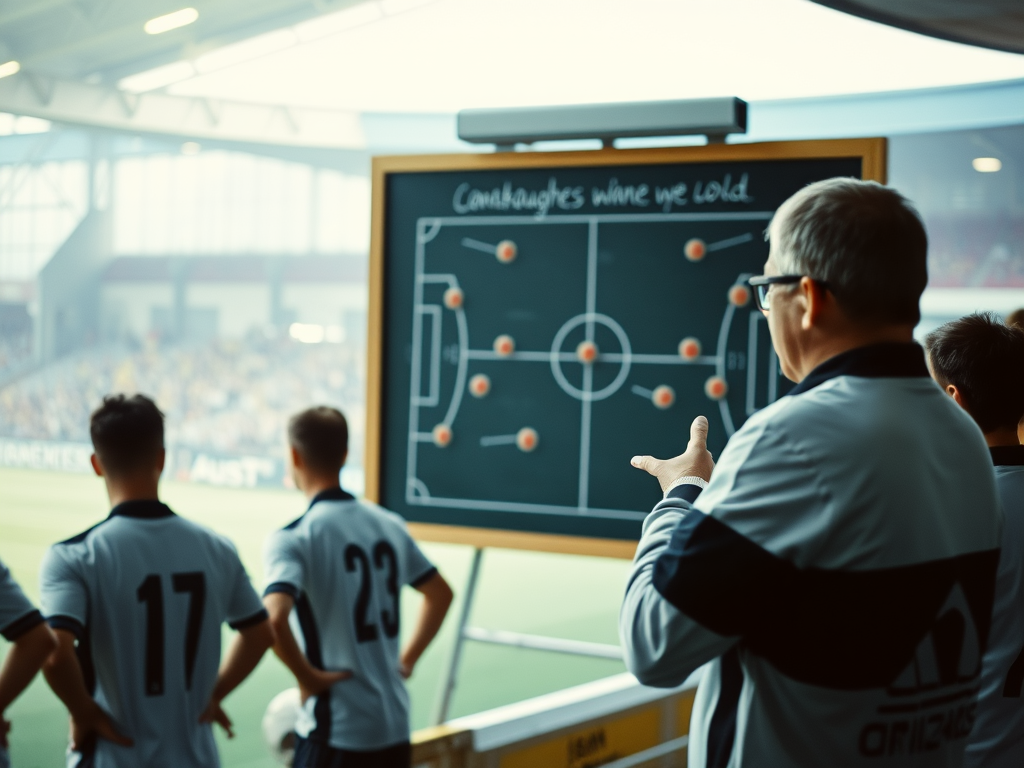
To address these issues, a few tactical tweaks could significantly enhance AGF's stability and effectiveness on the pitch. First, reinforcing the midfield during defensive transitions could prove beneficial. This can be achieved by instructing one of the advanced midfielders to drop deeper when possession is lost, effectively creating a temporary 4-3-3 shape that provides more protection for the backline.
Moreover, AGF should consider implementing a more compact defensive structure when transitioning from attack to defense. Encouraging players to close down space quickly and maintain a tighter formation could reduce the chances of opposing teams exploiting the spaces left by adventurous full-backs. In the recent matches, opponents have capitalized on AGF’s wide play, so adopting a more centralized approach when needed can help regain control.
Offensive Tactics
On the offensive side, AGF has shown creativity but can benefit from more direct play at times. Encouraging wingers to cut inside rather than always relying on the flanks could open up space for overlapping full-backs or allow for more central shooting opportunities. This would also help to stretch opposing defenses, creating more chances for strikers like the ever-reliable A. K. K. who thrives on service from various angles.
Additionally, incorporating set-piece variations could prove advantageous. AGF has been effective during dead-ball situations, yet introducing unpredictable routines could catch opponents off guard and lead to crucial goals during tightly contested matches.
Conclusion
In conclusion, while AGF's recent form has shown promise, addressing their tactical weaknesses will be vital for achieving consistent results. By reinforcing their defensive structure, encouraging a more dynamic midfield presence, and diversifying their attacking strategies, AGF can position themselves as formidable competitors in the league. With the right adjustments, the team can not only aim for higher placements but also instill a sense of confidence that can carry them through the season.