 Aarhus Hub
Introduction
As Aarhus Gymnastik Forening continues to strive for consistency in the league, the importance of tactical analysis becomes paramount. Recent performances have showcased both the potential and the pitfalls of AGF's current setup. With a few strategic tweaks, the team could elevate its game and solidify its position in the standings.
Formation and Structure
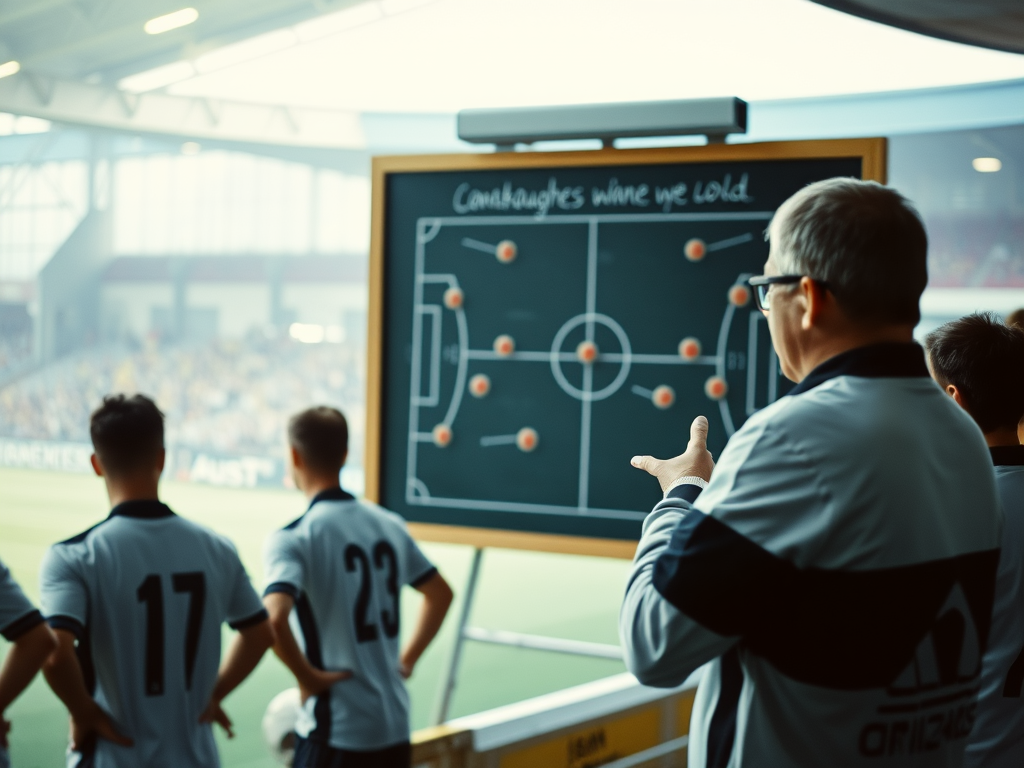
AGF has predominantly utilized a 4-3-3 formation, which provides a solid foundation for both attack and defense. However, in recent matches, the team has struggled to maintain defensive solidity, particularly in transition. To address this, transitioning to a 4-2-3-1 formation could offer more stability. This structure would allow two holding midfielders to shield the backline, providing a buffer against counter-attacks while enabling the attacking midfielders to support the forward line more dynamically.
Midfield Dynamics
The midfield has been a critical area for AGF, with players like Niklas Backman and Patrick Mortensen offering different qualities. While Backman excels in breaking up opposition play, Mortensen's ability to drive forward has been underutilized. By allowing Mortensen to push higher up the pitch, AGF can better exploit spaces in the final third. This change could also free up space for wingers to cut inside, increasing the threat in the attacking phase.
Winger Responsibilities
AGF's wingers, particularly on the left flank, have been effective in stretching the opposition. However, the current approach often results in predictable play. Incorporating more variety in their movement—such as switching positions or cutting inside—could create confusion in the defensive lines of opponents. Encouraging wingers to interchange with the full-backs would also enable overlapping runs, adding depth to the attack and potentially leading to more goal-scoring opportunities.
Defensive Resilience
Defensively, AGF has shown vulnerabilities, especially against teams that apply high pressure. To enhance defensive resilience, a more proactive approach in closing down spaces could be adopted. Implementing a higher defensive line could compress the playing area, forcing opponents into less favorable positions. However, this would require the defenders to possess pace and awareness, particularly during counter-attacks.
Set-Piece Strategy
Set-pieces remain a critical component of any team's strategy, and AGF has room for improvement in this area. Currently, the team lacks a clear plan for both offensive and defensive set-pieces. By dedicating training time to rehearsing specific routines, AGF could capitalize on its height advantage during corners and free-kicks while ensuring better organization when defending against similar situations.
Conclusion
As AGF continues its journey through the league, minor tactical adjustments could yield significant improvements in performance. By refining the formation, enhancing midfield dynamics, encouraging creative winger play, bolstering defensive strategies, and optimizing set-piece execution, AGF can not only stabilize its recent form but also re-establish itself as a formidable force in Danish football. With the right tweaks, the team can harness its potential and push for greater success in the upcoming fixtures.