 Aarhus Hub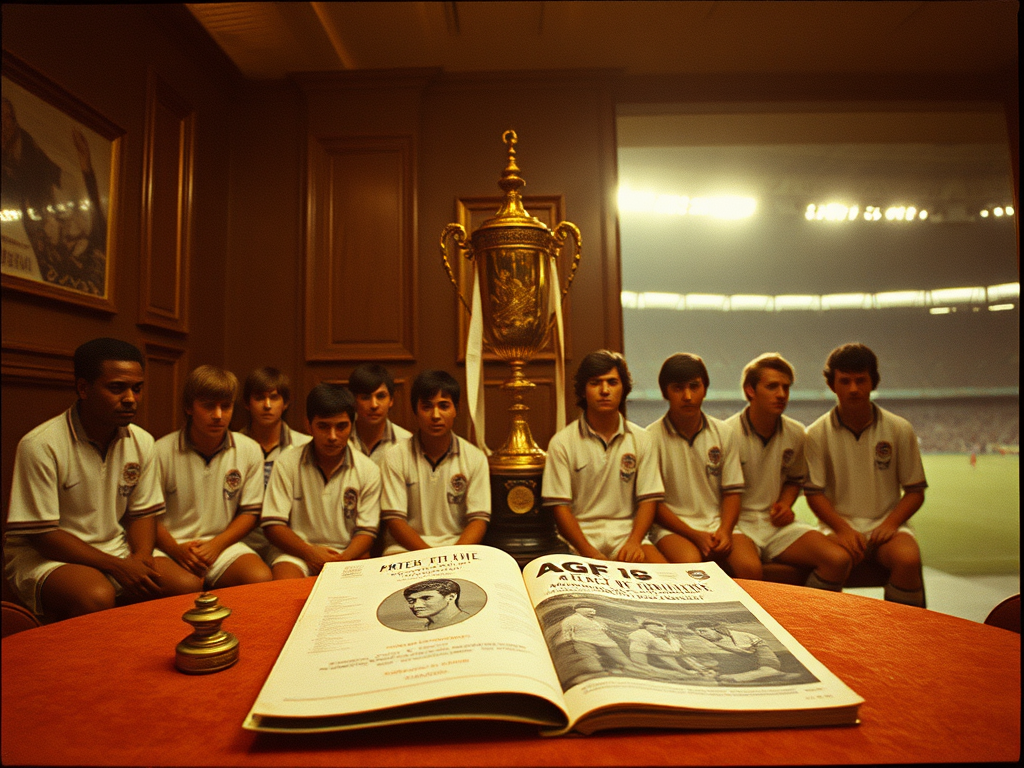
AGF's 1960s Golden Era: A Legacy of Dominance
The 1960s stand out as a remarkable decade in the history of Aarhus Gymnastik Forening (AGF), a time when the club not only excelled on the pitch but also solidified its position as one of Denmark's football powerhouses. With a combination of tactical innovation, a strong roster of players, and an unwavering support base, AGF carved out a legacy that resonates with fans even today.
During this transformative period, AGF clinched the Danish championship title in 1961 and again in 1965, marking them as the dominant force in the nation’s football scene. The 1961 triumph was particularly significant, as it was AGF's first title since 1955, rekindling hope and passion among the supporters. This success was not merely a stroke of luck but rather the culmination of strategic planning and a commitment to nurturing homegrown talent, which would become a hallmark of the club's philosophy.
One of the standout figures of this era was the legendary goalkeeper, Aage W. S. Kristensen, whose remarkable shot-stopping ability and leadership between the posts were pivotal in securing many victories for AGF. His contributions, paired with the attacking prowess of forwards like Bent Schmidt-Nielsen, who had an uncanny ability to find the back of the net, created a formidable combination that teams dreaded to face.
The 1960s also witnessed AGF's venture into European competitions, most notably the European Cup. Though the road was fraught with challenges, the experience gained from facing top-tier European clubs enriched the squad and broadened their horizons. Matches against clubs like Glasgow Celtic and Borussia Dortmund provided invaluable lessons and were instrumental in elevating the club's status on the continental stage.
Beyond the trophies and accolades, the 1960s fostered a robust connection between the club and its supporters. The atmosphere within the Stadium during home games was electric. Fans rallied behind their team with fervor, creating a fortress-like environment that intimidated visiting teams. This unwavering support not only boosted the players' confidence but also laid the foundation for the passionate culture of loyalty that AGF fans are known for today.
The impact of this decade extended beyond the pitch; it ignited a sense of pride in the city of Aarhus. AGF became synonymous with local identity, and the club's successes were celebrated not just as wins on the field but as collective victories for the community. The local youth flocked to the club, inspired by the achievements of their heroes, leading to a flourishing youth academy that would continue to produce talents for generations.
As the decade came to a close, AGF's legacy was firmly established, and the successes of the 1960s set a benchmark for future generations. The club's commitment to excellence, its focus on developing local talent, and the passionate backing from fans became the pillars upon which AGF would continue to build.
Looking back, the 1960s serve as a reminder of what AGF can achieve when ambition meets determination. The lessons learned and the spirit cultivated during this golden era remain relevant today, as the club seeks to recapture the magic that once defined its storied history.